Mind
Mind
«The best time to plant a tree was 20 years ago. The second-best time is now.»
-Chinese Proverb
Mindset
You can be way more than you are. You can be a lot more than you think. You can be incomparably better. Put the best plan you have into practice. It will not be perfect and it will change along the way take the path of discipline. You have to follow your rules. Do the best thing you can think of. You’re paying the price for sitting there and doing nothing. It’s a moral obligation to find what’s meaningful to you. It doesn’t mean it is gone be easy, it doesn’t mean you won’t struggle, it doesn’t mean that there won’t be setbacks.
Compare yourself to whom you were yesterday, not to who someone else is today. The question is not can I be better than someone else, the question is can I be slightly better today better than you were yesterday. Do something worthwhile by your definition. Constantly improvising yourself. Don’t set your goals to high, they should be challenging but possible to fulfil. If you are overweight, and you decide to change that, the result after one day will not be glorious but it’s a hell of a lot better than doing nothing. A small step today, puts you’re in the position to take a bigger step tomorrow.
Stop doing the things you know are wrong, that you could stop doing you can repeatedly move away from what’s wrong. Ask yourself every day, what can I do today to make it a successful day.
STOP WASTING TIME ON SOCIAL MEDIA
Dopamine is the hormone that triggers desire, motivation and addiction in our brain. Instagram and YouTube are based on the principle of releasing precisely this hormone, so we usually find it extremely difficult to reduce our attention to these apps. As a result, we often don't even notice that we're caught up in an addiction that is intensified by the intelligent algorithms of Instagram and YouTube. Often, at the end of a day with a high number of hours spent on social media, you wonder how it could have happened. However, this is quite normal.

social media
Instagram, for example, works just like the dating app Tinder, via the reward system. We post a picture and automatically get feedback and recognition from our followers through likes, comments, etc. This process triggers a feeling of sublimity in us, so we respond satisfied and happy. Dopamine has been released. We feel rewarded and strive to repeat this feeling. This is how a dependency or vicious cycle develops: we post images and react to other images from other users so that they "reward" our own image with reactions.
The video algorithm works differently on YouTube and also with reels on Instagram. The platforms are flooded with new videos every day. When we watch videos that belong to our field of interest, YouTube remembers these viewing habits. Automatically, the app then shows us more videos that match our selection of previous videos. Our interest is thus targeted. Since we are shown more videos that we like, we continue to watch them. YouTube has the advantage that the video selection is never exhausted. So, there are an infinite number of points of contact for our interest. Dopamine is also released here. When we watch videos that entertain us or are fun in any way, our sense of pleasure increases. An addiction develops.
It works similarly with short videos on Instagram. However, because the videos are shorter, our attention is not exhausted. We get bored less often and therefore watch more and more of the reels that interest us. Thus, a lot of time is lost unnoticed.
YouTube and Instagram thus make us intelligently and purposefully addicted. Social media addiction is growing, while the platforms are making increasing profits. That's why it can be beneficial to reflectively monitor the dopamine release and critically question the time spent on YouTube and Instagram
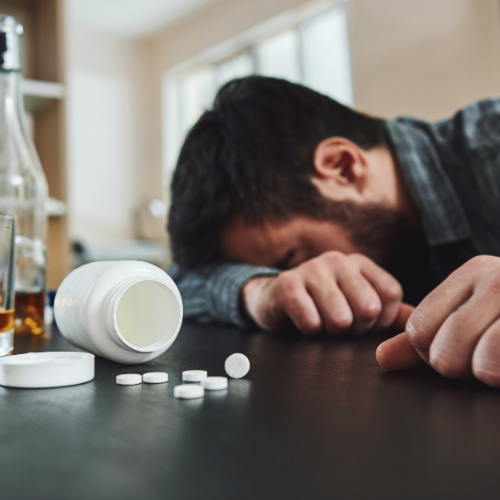
STOP TAKING DRUGS
Repeated drug use and that includes smoking and alcohol alters the activity of the reward system. It now responds preferentially only to drugs and other stimuli associated with drug use. These can be certain places, things, or even using friends. As the person's attention becomes more and more focused on the drug, primary reinforcers lose their appeal. The person is no longer interested in other things. Psychologist Katrin Charlet and physician Andreas Heinz therefore also speak of the reward system being "kidnapped" by the drug, because it now reacts primarily only to drugs.
In later stages of addiction, a strong link eventually develops between drug stimuli, such as specific places where the drug has been consumed, and the associated behavioral responses that lead to consumption. Drug use increasingly becomes a habit that can hardly be controlled at will..

STOP WATCHING PORN
Watching porn is triggering the release of dopamine only by the observation of sex and not engaging in human contact. A lot of males, especially younger ones have troubles getting into a romantic interaction. The availability of pornography is a real detriment to the development of a human brain, especially in the development phase and again, repeated porn consumption alters the activity of the reward system.
HOW CAN YOU INCREASE YOUR DOPMINE LEVEL
Do what you want to do! Sounds simple, but it is the most natural way to increase your level. If you haven't had a sense of achievement for a while, your body forgets the feedback effect of the hormone that drives you to achieve your goals.
SET GOALS
Set yourself small intermediate goals on your way to your goal and reward yourself for the small successes. The more frequently the happiness hormone is released again, the more likely the body is to remember its own "happiness drug" and will produce it again in greater quantities.
Neurologically, the brain reactivates certain areas that otherwise atrophy. The dopaminergic pathways in the central nervous system, i.e., the pathways through which the happiness hormone is otherwise transported, form more strongly the more dopamine is released.
EAT RIGHT
Especially foods that contain a lot of omega-3 fatty acids are important for your dopamine production. Omega-3 fatty acids are responsible for the function and structure of the brain, among other things. A study from the University of Tours in France found that a good supply of the fatty acids can increase the dopamine available in the brain. [3]
They are what build the structures for the dopaminergic pathways in the central nervous system. Also, the fatty acids are essential for building synapses and maintaining normal cholesterol levels. Accordingly, the body relies heavily on a supply of omega-3 fatty acids (DHA and EPA).
Omega-3 fatty acids are mainly found in fish such as salmon and mackerel, but flaxseed and algae oil also contain a lot of omega-3.
DEPRESSION
Depression and depressive disorders are among the most common and underestimated illnesses. Worldwide, an estimated 350 million people suffer from it.
Depression differs from normal sadness in that it limits your daily life and prevents you from working, learning, eating, sleeping, and having fun. The feelings you have when you are depressed - such as helplessness, hopelessness, and worthlessness - can be intense and relentless.
The symptoms of depression in men described in this section may be part of the normal ups and downs of life and are not always a sign of depression. But the more symptoms you have, the more severe they are, and the longer they last, the more likely it is that you have depression.
Added to this in 2020 is the psychological stress caused by the corona crisis, which can exacerbate existing mental illnesses. And even in people who have not previously suffered from any mental illness, loneliness, loss of income, grief or anxiety can trigger mental crises or even depression.
A general drop in performance, diffuse physical complaints, loss of appetite and sleep disturbances can indicate the onset of a depressive disorder. Affected individuals often lose joy and interest, are generally listless, and can no longer make decisions. Some tend to complain of feelings of indifference - others feel inwardly restless, driven and suffer from anxiety.
As men, we like to think we are strong and in control of our emotions. When we feel hopeless or overwhelmed by despair, we often deny it or try to cover it up. However, depression is a common problem that affects many of us at some point in our lives, not a sign of emotional weakness or a lack of masculinity.
Millions of men of all ages and backgrounds are affected by depression, as are those who care about them - spouses, partners, friends and family. Of course, it's normal for everyone to feel down from time to time. Mood lows are a normal reaction to losses, setbacks and disappointments in life. However, male depression changes the way you think, feel, and function in everyday life. It can affect your productivity at work or school and impact your relationships, sleep, diet, and overall enjoyment of life. Severe depression can be very intense and relentless.
Unfortunately, depression in men is often overlooked because many of us find it difficult to talk about our feelings. Instead, we tend to focus on the physical symptoms that often accompany depression in men, such as back pain, headaches, sleep disturbances, or sexual problems. This can lead to the underlying depression going untreated, which can have serious consequences.
Men suffering from depression are four times more likely to take their own lives than women. Therefore, it is important to seek help for depression before despair leads to suicidal thoughts. Talk honestly with a friend or loved about what's going on in your psyche and body.
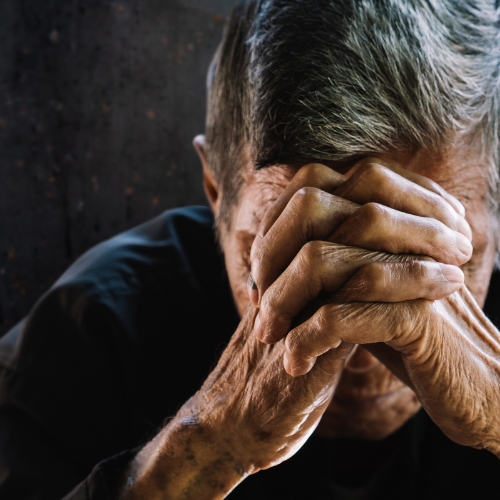
signs and symptoms of depression in men
Men tend to be less able to recognize the symptoms of depression than women. Men are more prone to deny their feelings, hide them from themselves and others, or try to cover them up with other behaviors. And while men may exhibit classic symptoms of depression such as feeling down, losing interest in work or hobbies, , weight and sleep disturbances, fatigue, difficulty concentrating, to guilt and worthlessness or even suicidal thoughts, they are more likely than women to experience "secret" depressive symptoms such as anger, substance abuse and agitation.
overlooked signs of depression in men
• Physical pain. Sometimes depression in men manifests itself through physical symptoms such as back pain, frequent headaches, sleep problems, sexual dysfunction or digestive problems that do not respond to normal treatment.
• Anger. This can range from irritability, sensitivity to criticism, or losing your sense of humor to outbursts of anger, temper, or even violence. Some men become abusive or controlling.
• Reckless behavior. A man suffering from depression may exhibit escapist or risky behavior, such as playing dangerous sports, driving recklessly, or having unprotected sex. They may drink too much, use drugs, or gamble compulsively.
YOU MIGHT SUFFER FROM DEPRESSION IF
• You feel hopeless and helpless
• You have lost interest in friends, activities, and things you used to enjoy
• You are much more irritable, irascible, or aggressive than usual
• You consume more alcohol, exhibit reckless behavior, or self-medicate
• You feel restless and agitated
• Your sleep and appetite have changed
• You can't concentrate or your productivity at work has decreased
• You cannot control your negative thoughts
TRIGGERS OF DEPRESSION
There's no single cause of depression in men. Biological, psychological, and social factors all play a part, as do lifestyle choices, relationships, and coping skills.
• physical injuries
• relationship difficulties and conflict
• major life changes, like becoming a Dad
• Loneliness and lack of social support
• Inability to manage stress effectively
• A history of alcohol or drug abuse
• Trauma or abuse in early childhood
• Aging in isolation, with little social contact
• problems at work
• unemployment, especially if it lasts a long time
• redundancy
• financial problems
• not having close friends to talk to
• divorce and separation from your children
• drugs and alcohol.
• Loneliness and lack of social support
• Inability to effectively deal with stress
• A history of alcohol or drug abuse
• Early childhood trauma or abuse
• Aging in isolation, with few social outlets
depression triggers
Various things can trigger depression: Crises, losses, a difficult childhood and also genetic predisposition. All causes trigger a lack of chemical messengers - neurotransmitters - in the brain. The neurotransmitters are involved in transmitting nerve impulses. They include serotonin and dopamine - both also known as happiness hormones. To produce these substances, the body needs nutrients. If the body lacks these nutrients, it can contribute to a mental imbalance and promote depression.
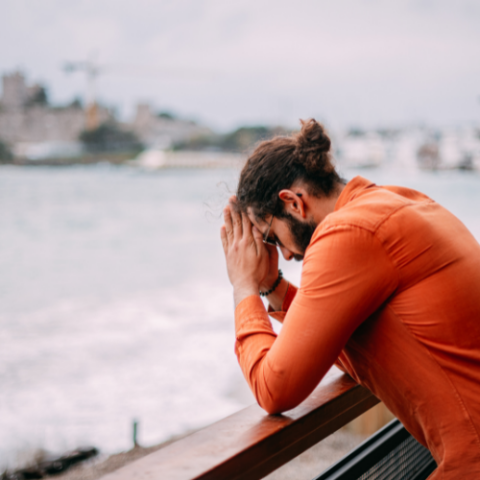
battle depression
Don't try to tough out depression on your own. It takes courage to seek help—from a loved one or a friend. Lifestyle changes, such as spending time with supportive friends and family, regular exercise, getting enough sleep, maintaining a healthy diet and cutting down on alcohol and other drugs are all worthwhile changes that can help to reduce anxiety and depression symptoms.
healty diet
In a 2012 meta-study, researchers examined the relationship between depression risk in adults and a healthy diet. A total of eleven studies were included and critically evaluated. The results show: A healthy diet - with plenty of vegetables, fruits, nuts and legumes - can lower the risk of developing depression. These foods contain folates, omega-3 fatty acids and monounsaturated fatty acids, which are important for the formation of neurotransmitters.
Fast food is good for the soul? Rather the opposite is the case: fast food provides too few nutrients and can promote depression. (Photo: CC0 Public Domain / Pixabay.com - msqrd2)
Another, American study confirmed in 2010 that a diet rich in processed foods increases the risk of developing depression. The reason is obvious: sweets, white bread, burgers and frozen pizza lack nutrients - especially vital and brain-relevant substances, such as essential fatty acids, magnesium or vitamins B6, B9 and B12. The lack of nutrients favors the development of depression.
Currently, depression is mostly treated by medication and therapies - a change in diet against depression plays a minor role.
If you want to prevent depression or fight the existing disease, you should pay attention to a healthy, varied diet with lots of fresh fruits and vegetables. NO processed foods, many important nutrients and good fats can significantly influence mental well-being.
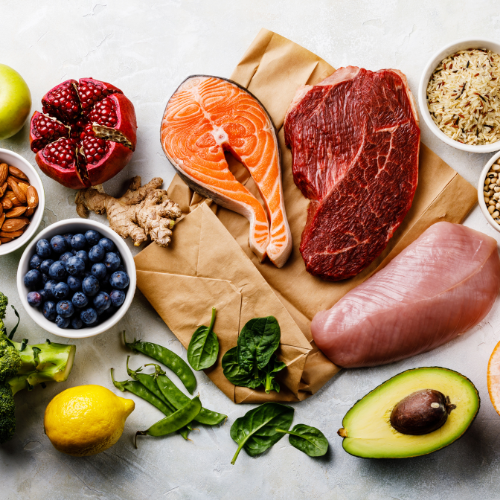
strategy for a healty diet
Researchers provide five general dietary tips to prevent depression (source):
• Align yourself with traditional diets such as the Mediterranean diet.
• Increase your intake of fruits, vegetables, legumes, whole grains, nuts and seeds.
• Eat lots of foods rich in omega-3 fatty acids.
• Replace unhealthy foods with healthy and nutritious foods.
• Limit your intake of processed foods, fast foods, commercial baked goods and sweets.
There are also individual foods that have a positive effect on neurotransmitter production: Bananas (fair trade), avocado, nuts, peppers, carrots, for example, support the production of the happiness hormone dopamine. Potatoes, fennel, figs, almonds, walnuts, sesame seeds, pumpkin seeds and spinach can help against a serotonin deficiency. They contain precursors of the neurotransmitter.
Norepinephrine is also a neurotransmitter that your body should make enough of to avoid depression. Green vegetables, oats, apples, pineapple, bananas and almonds contain building blocks for the neurotransmitter.
But don't expect your mood to improve instantly. You'll likely begin to feel a little better each day. Many men recovering from depression notice improvements in sleep patterns and appetite before improvements in their mood. But these self-help steps can have a powerful effect on how you think and feel, helping you to overcome the symptoms of depression and regain your enjoyment of life.
I’m not fund of medication because I saw what it did to people who where open and communicative and got silent, introvert and lethargic through prescript medication
Excersice
Are a few stretches enough, or do you need to run to the gym every day to treat your depression? The answer lies somewhere in between. Regular walking is an excellent strategy for treating depressive symptoms without medication. Dr. Wendy Suzuki, professor of neuroscience and psychology at New York University, gives us the exact prescription
30-40 minutes of exercise 3-4 times a week is enough to get out of depression
That's all you need, but it's important to break a sweat while doing it. If physical exercise is still new to you, you may experience some side effects: Flushed skin, racing heart, and heavy breathing. Don't worry. This is not an allergy, just a greeting from your sympathetic nervous system. Many people find regular exercise exhausting, especially if they are going through depression. Start small if you are a beginner. So take a 10-minute walk instead of a 30-minute jog, and increase by a few minutes each time.

sleep
Sleep can also reduce depressive symptoms and serve as regular maintenance for your mind.
And, there are many free strategies you can use to create healthy sleep habits at home. According to recent sleep research, sleep can act as a kind of overnight therapy, giving us better tools to deal with strong emotions.
How can better sleep help you treat your depression?
Well, 90% of depressed people have trouble sleeping. As you may have noticed, some people with depression sleep too much and others don't get enough sleep. Poor sleep can also increase the risk of depression. For example, have you noticed that poor sleep can make you tired and lower your mood? It can also be hard to concentrate after a sleepless night. These are symptoms of depression. The good news is that changes on one side automatically improve the other. Better sleep helps you focus and regulate emotions. Best of all, this type of depression treatment is convenient, free, and it doesn't depend on medication.
The best strategy for better sleep
Whatever your sleep pattern is, there are some excellent methods you can use to improve it. As a natural consequence, your depressive symptoms will be relieved. Sleep is one of our best drug-free depression treatments, and the strategies are the same whether you sleep too much or too little. The best remedy for better sleep, recommended by Dr. Matthew Walker (Professor of Neuroscience and Psychology at the University of California, Berkeley):
- Set up fixed times to get up and go to bed each day
So to improve your sleep, wake up at the same time every day and go to bed at the same time every night, even on weekends. Use 90 minutes to relax before going to bed and set an alarm for when your relaxation time starts. There's no point in going to bed if they don't feel tired. And if you lie awake and can't sleep, get up after 20 minutes and do something relaxing until you feel sleepy. Then return to bed.
If you lie awake in bed for too long, your brain will begin to associate bed with wakefulness.If you don't like this sleep method or find it too tiring, check out the following strategies for improving your sleep and reducing depressive symptoms:
strategy for better sleep
- Find time for 8 hours of sleep every night
- Create a temperature of about 18 degrees in your bedroom
- Take a hot bath / shower before bed
- Install software that reduces blue LED light on screens
- No screens 2 hours before bedtime
- Have a really dark bedroom (or use a sleep mask)
- No caffeine after 12:00 a.m.

This website uses cookies. Here you can choose which cookies you want to allow and change your selection at any time. By clicking "Accept", you agree to the use of cookies.