nutrition
nutrition
«Our food should be our medicine, and our medicine should be our food.»
FOOD FOR REAL MAN
Foods to always have in your kitchen
• Various nuts
• Apples and bananas
• Olive oil (organic, extra virgin, cold pressed)
• Apple cider vinegar
• Organic honey
• Eggs free range
• Onions and garlic
• Sun dried tomatoes
• Legumes (beans, lentils, etc.)
• Dried berries and fruits (raisins, cranberries, figs, dates, etc.)
• frozen berries, blueberries, blackberries organic
• Seeds (linseed, pumpkin seeds)
• Frozen vegetables, e.g. spinach, green peas, broccoli
• Parmesan and other hard cheeses, feta cheese
• Herbs on the balcony
• Black chocolate
• Bramata, Buckwheat grains
If you have all the basic products in the kitchen, you only need fresh products, preferably organic. Salads, fresh vegetables, depending on the season, fish, meat, avocado (I know ecologically not so good, but very healthy fat).
If you have left overs, don’t be scared to freeze them and use them another time.
Wherever you can, if you buy fresh produce, make sure they are from your region to ensure freshness, save fuel costs for transportation and support your community. I know sometimes it’s not easy, especially if you like certain foods you won’t get where you live. If I take seeds as an example, if you live in Europe, take line seeds which grow locally instead of seeds from South America and of course the other way around. The food benefits are the same. Refrain from processed foods, this has nothing to do with the food our ancestors ate, it’s a fabricated product which does more harm then good to your body.
I can understand that people love meat, a charcoal grilled T-Bone steak with a Bernaise sauce is just so bloody delicious. When you eat meat, it should be something special, not something you consume every day. If you buy meat, make sure it is organic, and that the animals were living outside. Be aware, that animals are being killed in masses, killing is a daily routine, the animals are grown to be killed so we can eat them. If people would have to kill their animals, not many people would eat meat anymore. It’s comfortable to buy pieces of meat where you don’t see an animal behind, a clean peace, neatly packed, without blood. It’s not that the animals are here anyway, they are being breed just so we can eat them.
If you get the chance, participate at a hunt, be part of the hunting and the killing so if you would have to you can kill an animal, let it bleed out, cut it in pieces marinate it, cook it and serve it. You can also maybe start with fishing. I remember when I did my apprenticeship as a chef and I had to kill a trout from the fish tank and kill it. Let me tell you it wasn’t easy, but I thought me that behind every animal that we eat, there was a living being.
What I always have in the cupboard are the foods that I have stocked, all of them have a lot of health benefits, you can combine everything easily and it has a long shelf life.
If you prefer a Mediterranean flavor, season with olive oil, rosemary, thyme, etc., if you prefer a more Asian flavor, season with sesame oil, ginger, soy sauce or Teriyaki.
HEALTHY FOODS FOR MAN
Wherever you can, if you buy fresh produce, make sure they are from your region to ensure freshness, save fuel costs for transportation and support your community. I know sometimes it’s not easy, especially if you like certain foods you won’t get where you live. If I take seeds as an example, if you live in Europe, take line seeds which grow locally instead of seeds from South America and of course the other way around. The food benefits are the same. Refrain from processed foods, this has nothing to do with the food our ancestors ate, it’s a fabricated product which does more harm then good to your body.
Following is a list of ingredients along with their physiological effects.
AMARANTH
The millet-like and gluten-free pseudocereal is one of the world's oldest cultivated plants and provides us with essential amino acids that the body cannot produce on its own. The power grain is thus a vegetable alternative to the protein suppliers eggs and meat and makes long full. One cup of cooked grains provides the body with 30 percent of its daily requirement of iron. Here's how it's eaten: Tastes sweet or savory, as a breakfast porridge, side dish, filling for vegetables or even as popcorn.
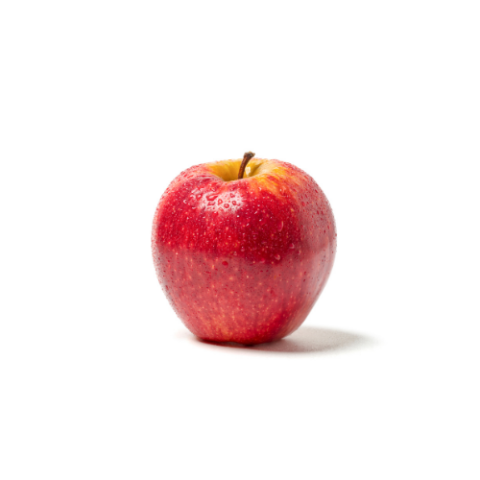
Apples
Natural antioxidants plus fiber: An apple a day provides our immune system with B, C and E vitamins, plus potassium, calcium, magnesium as well as iron, and is a filling snack that keeps blood sugar levels constant. They should be eaten with the shell on, as this is where most of the good ingredients are found. Important: wash well beforehand.
Proteins from grain and shell
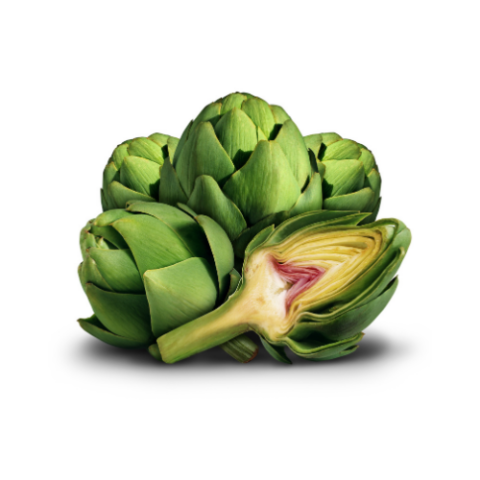
ARTICHIOKE
Vitamin C and K, folic acid and fiber lower cholesterol, have anti-inflammatory effects and promote healthy digestion. How to eat it Steamed as an appetizer with butter or a vinaigrette. Baby artichokes can be roasted in the oven with olive oil for a delicious side dish.
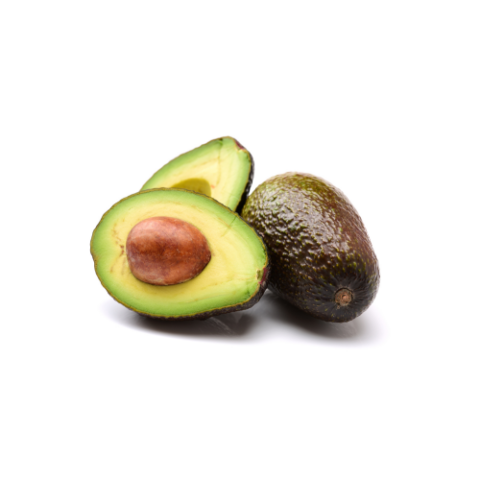
AVOCADO
Half a fruit contains 14 grams of unsaturated fatty acids and plenty of phytochemicals, helping the body burn fat. In addition, avocado scores with vitamin A, which supports the growth of cells and makes the skin glow, as well as vitamin E. How to eat them: Diced into salad, smeared on bread as a mush, used for dipping as guacamole, or simply straight from the shell with olive or sesame oil, salt, pepper and a squeeze of lemon.
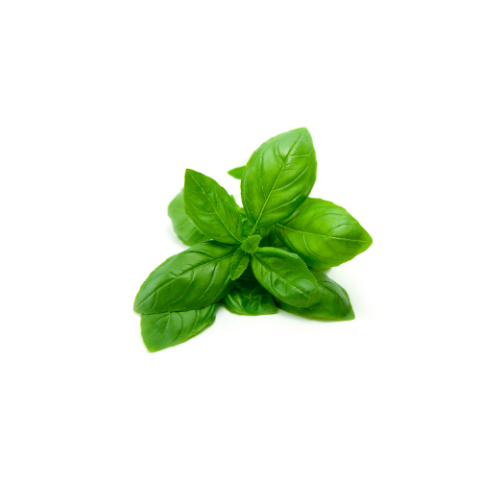
BASIL
Regulates blood sugar and cholesterol levels and has antibacterial effects. Helps with stomach and digestive problems. How it's enjoyed: As a caprese with tomatoes and (a little) mozzarella, in salads and green smoothies. Do not cook it!
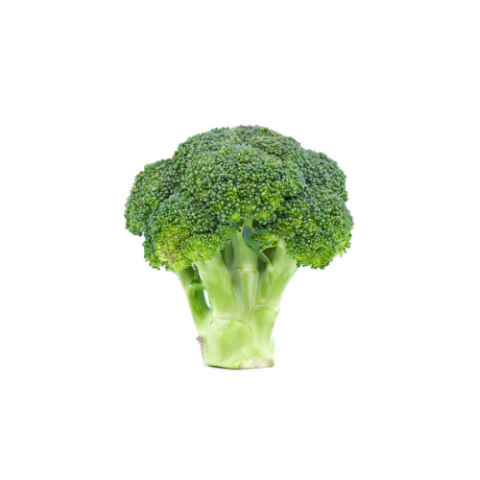
BROCCOLI
Protects against cancer, satiates with lots of fiber, provides vitamins K, B6 and C, folic acid, potassium - and extremely low in calories. How to eat it: Cabbage on a stick is easy to digest and tastes great raw in a salad, roasted in the oven with olive oil and sprinkled with flaked almonds, or baked with a little Parmesan. Also fine as a soup or puree
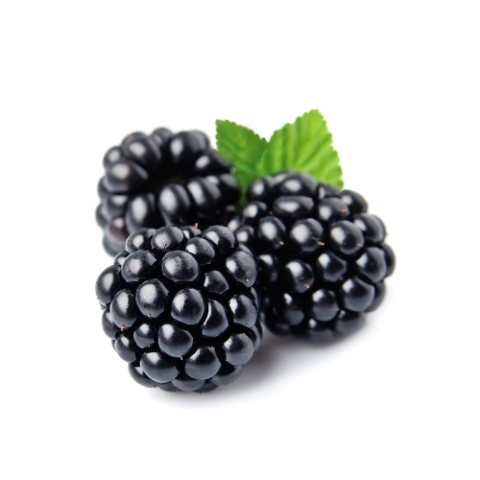
Blackberries
Prevent cancer and premature aging with antioxidants; anti-inflammatory thanks to vitamins C and K, flavonoids, folic acid and manganese. How they are eaten: Plain, in yogurt, in salads.
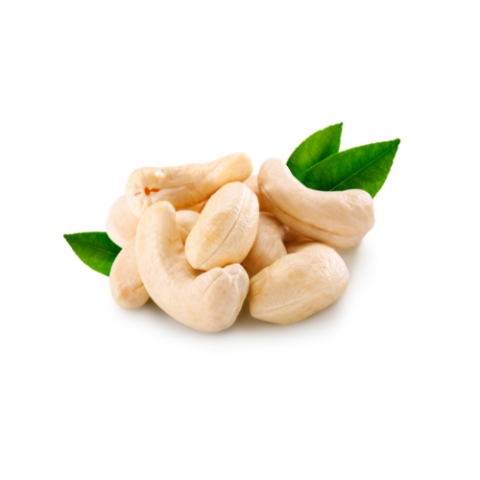
Cashews
With almost 290 mg L-tryptophan per 100 g, they are among the best amino acid suppliers. They lift the mood, have a calming effect and promote sleep. Important when buying: avoid cheap nuts, look for organic quality and fair trade.
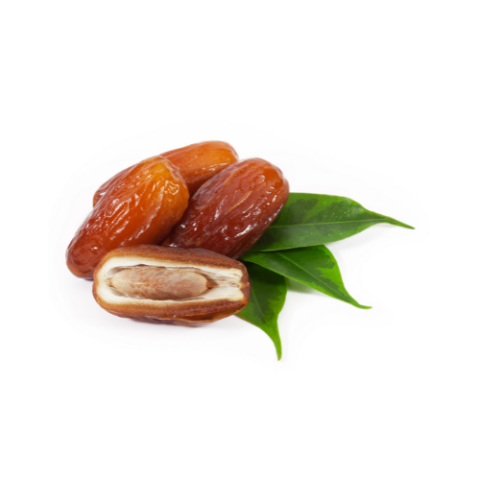
DATES
Substitute sweets with lots of fiber, potassium and iron. They are also rich in easily digestible fructose as well as protein and minerals. Dried dates in particular contain high levels of magnesium, phosphorus and calcium. How they are eaten: As a snack between meals, in smoothies as a natural sweetener, as a sugar substitute in baking, or as a contrast to ham and bacon.den.
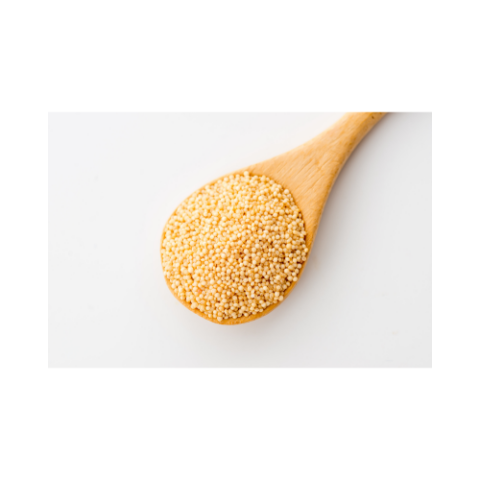
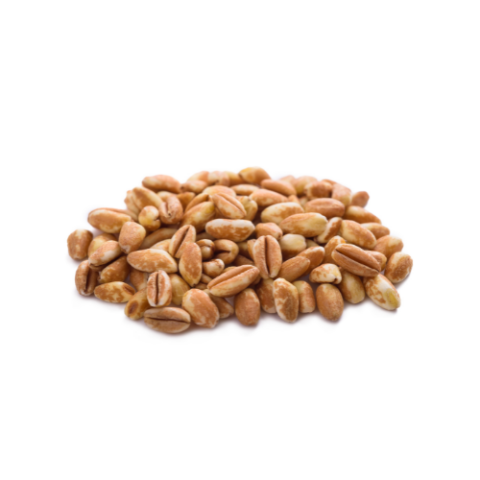
Spelt
This rediscovered ancient grain has more protein than other varieties and provides plenty of iron and magnesium. In addition, the so-called ancient grain supports digestion and the immune system. Particularly well suited as a substitute for wheat allergy sufferers. How it is eaten: In bread and baked goods instead of wheat flour. Its nutty flavor also makes it tasty in salads, soups, stews and as a side dish with vegetables. Spelt meal or flakes are also suitable as morning muesli with fruit.
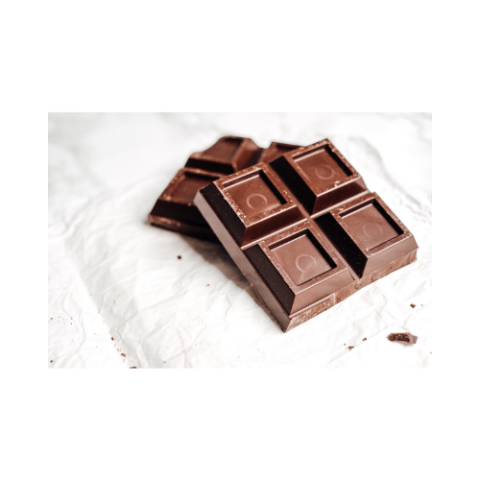
DARK CHOCOLATE
With over 50 percent cocoa content, it provides flavonoids for enjoyment, which support the body's defenses. Cocoa stimulates the production of the happiness hormone serotonin. This is how it is eaten: in moderation, of course, with nuts.
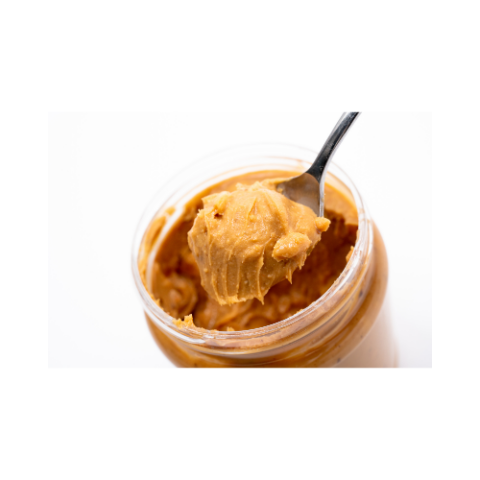
PEANUT BUTTER
The typical American spread contains a lot of fiber and protein, the sweet-salty taste stops cravings. The ingredient niacin (vitamin B3) helps skin and muscles regenerate and stimulates the metabolism. Attention, sugar alert! There may only be two ingredients on the ingredient list: Peanuts and salt. Most U.S. products called peanut butter contain lots of sugar, stabilizers, flavoring and preservatives.
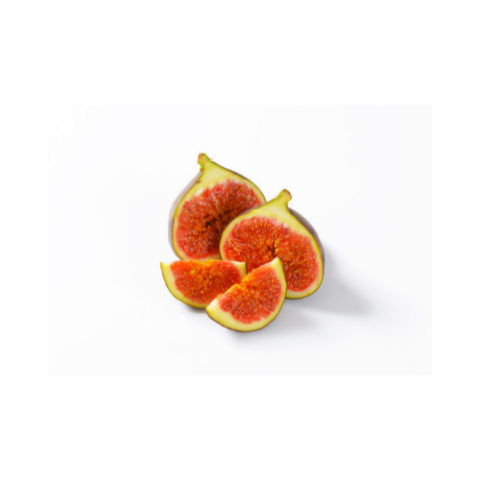
fIGS
Has the highest alkaline value of all foods and, thanks to fiber, satisfies our appetite for sweets without the risk of cravings. How to eat it Cold: delicious with goat cheese or on salad. Warm: cut crosswise, fill with honey and fresh goat cheese and gratinate in the oven - ideal as an appetizer. Or as a snack and dried fruit: for this, cut in half and dry on a rack in the oven for ten hours.
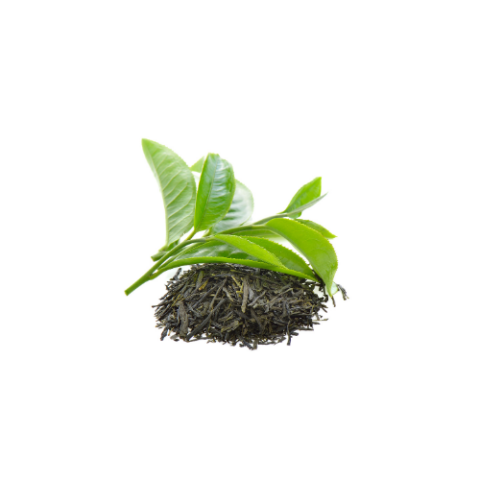
GREEN TEA
This hot drink from the Far East contains almost no calories, boosts metabolism and thus fat burning, has anti-inflammatory effects, can lower blood pressure and scavenges free radicals. How it's prepared. Brew with 60 to 85 degree hot water, as soft as possible. Depending on the variety, steep for a maximum of 90 seconds to prevent too many bitter substances from developing. Particularly delicious with half a squeezed lemon or fresh ginger.
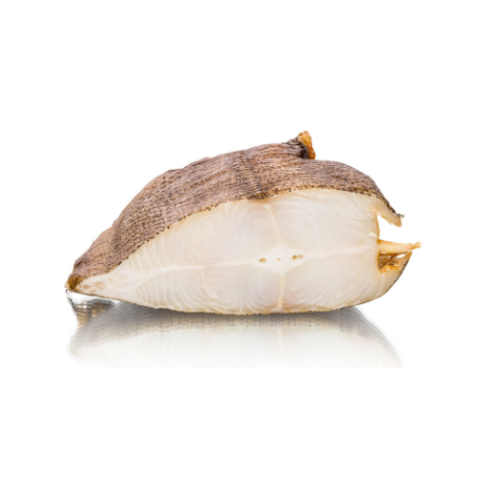
HALIBUT
Contains very little fat and calories, but brings all the more valuable proteins. In addition, the fish is rich in rare vitamin D as well as polyunsaturated and monounsaturated fatty acids, which have a positive effect on the heart, blood vessels and brain. In addition, there is a remarkably high content of iodine, iron and selenium. How it is eaten: Season with garlic, lemon, salt and pepper and cook en papillote, that is, wrapped in parchment paper, in the oven.
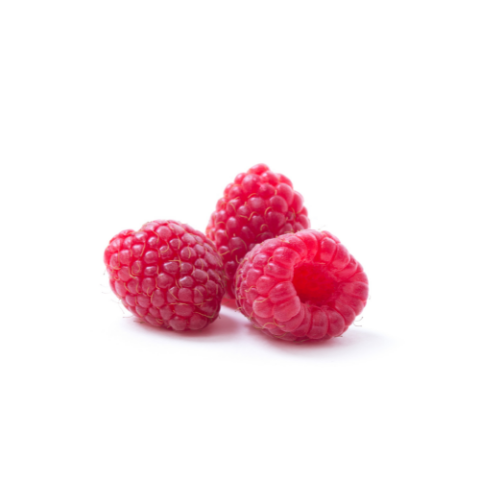
RASPBERRIES
The plant pigment anthocyanin, which makes raspberries glow red, is one of nature's most powerful antioxidants, protecting our cells from aging and degeneration. Although raspberries are sweet, they do not drive up blood sugar - so they make you fuller in the long term than desserts. The berries also contain minerals and trace elements such as iron, calcium, potassium and magnesium. This is how they are eaten: As fresh as possible, in breakfast cereal, in yogurt or as a snack.
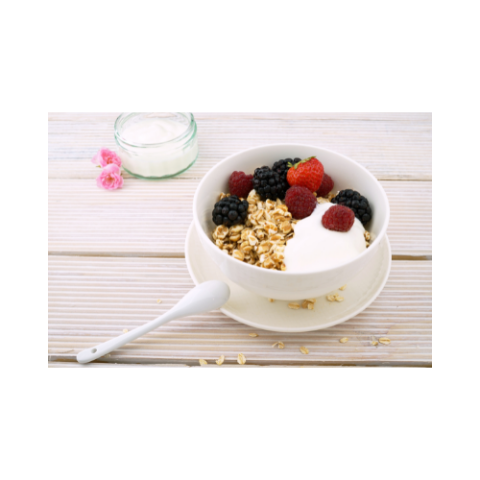
yOGURT
According to a Harvard study, consumers of probiotic yogurt have a lower risk of developing diabetes. It also provides a lot of protein, protects against harmful bacteria, promotes healthy intestinal microflora and strengthens the immune system. Here's how not to eat it: Ready-made fruit yogurts contain very little fruit, but masses of sugar. This also applies to organic products.
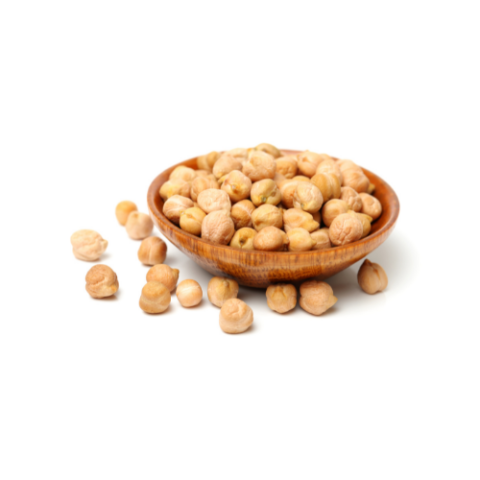
cHICKPEAS
The inconspicuous legumes with the presumably funny name (which, however, comes from the Latin cicer for pea) are true health givers. They provide plenty of metabolism-stimulating vitamin B6, are good for intestinal health and make you feel full thanks to fiber and healthy carbohydrates. Here's how they're eaten: In deep-fried balls as falafel, as chickpea paste (hummus), refined with sesame paste (tahina), in salads or in curries with lots of vegetables.
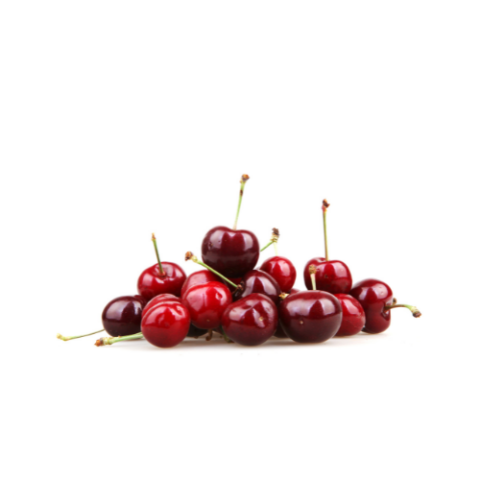
CHERRIES
Both the sweet and sour variety is rich in vitamins B and C. They also contain potassium, which keeps kidneys and heart healthy. They also provide secondary plant compounds that strengthen the immune system and magnesium, which strengthens muscles. Sour cherries, unlike sweet cherries, are considered to promote sleep because they contain the hormone melatonin. How to eat them: Best eaten fresh as a healthy substitute for sweets: Cherries contain a lot of fructose.
KIWI
It may not look like it, but the kiwi is a type of berry. Like other berries, it contains a lot of vitamin C: just one fruit covers the entire daily requirement. It also provides other vitamins and a lot of fiber with few calories and fructose. This is how it is eaten: cut it open, spoon it out. By the way, the furry skin is also edible and just as nutritious as the rest.
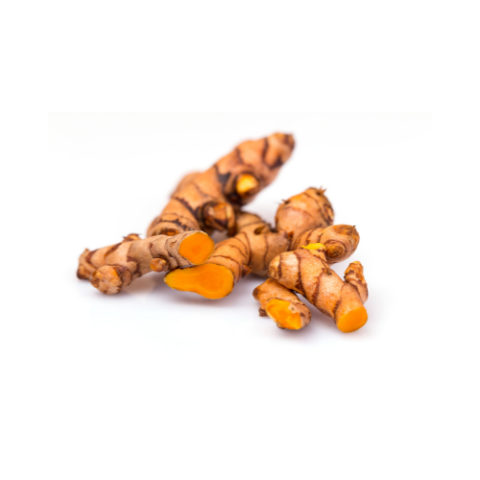
TUMERIC
Also known as turmeric, it contains phytochemicals and helps against inflammatory bowel disease and rheumatism. Also improves blood lipid levels and is effective against diabetes. How it is used: As often as possible, sprinkle over food, mixed into smoothies.
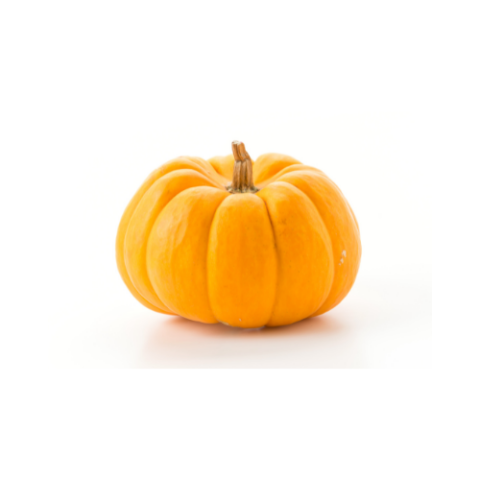
PUMKIN
Whether Hokkaido, acorn, butternut or nutmeg pumpkin: All varieties have low calories, lots of fiber, vitamin A and prevent heart disease and cancer. How it's eaten: In curries, as a soup, pie or roasted in the oven as a side dish.
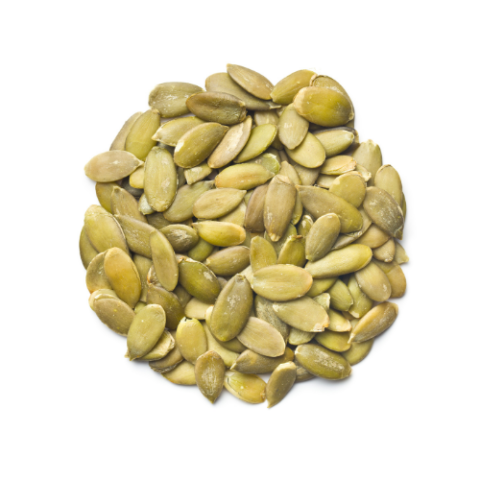
LENTILS
The trace element molybdenum boosts metabolism, and fiber regulates blood sugar levels. May have a mood-lifting effect. How they're eaten: As lentil soup with fresh vegetables.
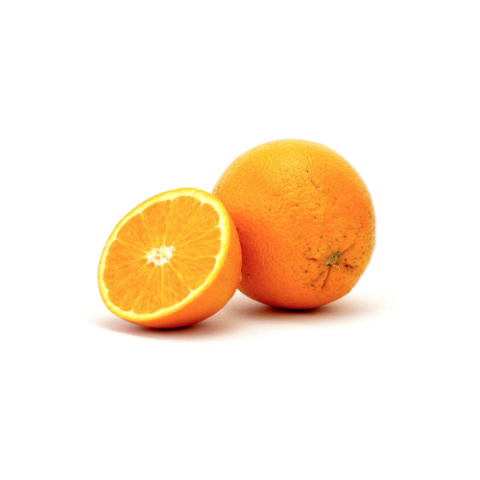
ORANGES
Everyone knows that there is a lot of vitamin C in oranges. Also in it: Heart protector and blood pressure reducer potassium and lots of fiber. This is how they are eaten: Better as fruit and not as juice, because it lacks fiber. Applies to all juices.
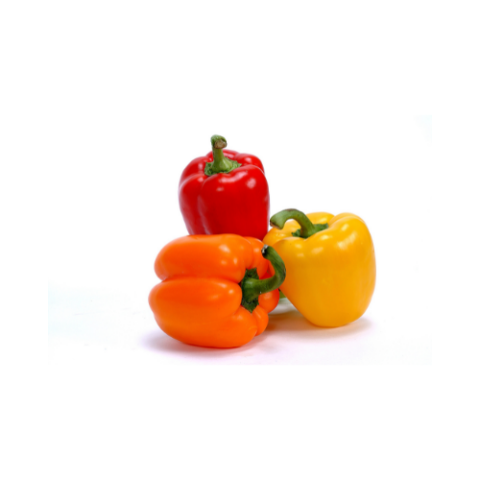
PEPPERS
Full of vitamins A, B and C, as well as the plant active ingredients carotenoid and flavonoid, which protect against premature cell aging. Close relatives are chili, hot peppers & Co. This is how it is eaten: As colorful as possible, sometimes red and raw in salads, sometimes yellow for dips, sometimes green and stewed with amaranth or quinoa filling.
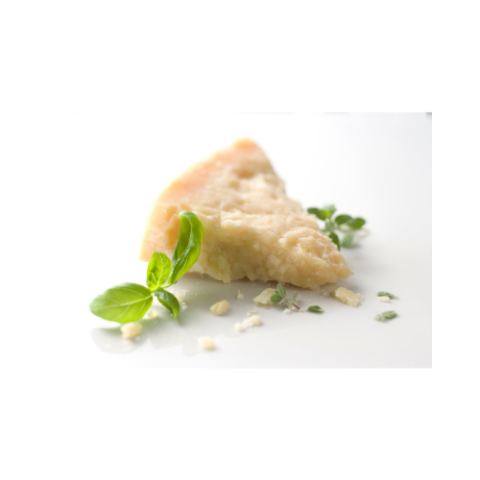
PARMESAN
The bacteria of fermented cheese strengthen the intestinal flora. Studies also indicate that moderate consumption of Parmesan protects against cardiovascular disease and prolongs life. How to use it: In moderation, like all dairy products, grated over pasta or in one piece with pears or apples. Long matured Parmesan contains hardly any lactose and is also suitable for lactose intolerance.
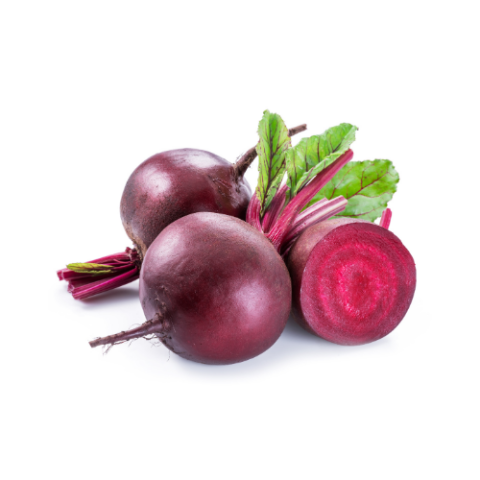
BEET
The fruit pigment betanin, which gives it its dark red color, has anti-inflammatory effects and scavenges free radicals. The nitrate content helps with high blood pressure. How it's eaten: When cooked, the valuable ingredients readily dissipate into water. Better to roast in the oven and bake with goat cheese. Wear gloves when peeling! By the way, the vitamin-rich leaves can also be eaten.
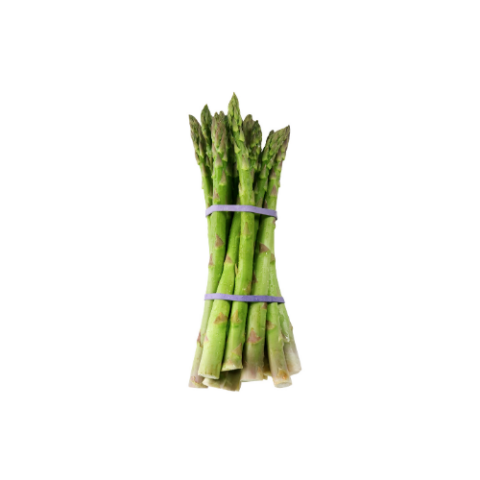
ASPARAGUS
Both white and green asparagus are among the healthiest vegetables of all and provide a lot of folic acid. This is how you should eat it: If possible, don't drown it in ready-made hollandaise, but serve it with a vinaigrette.
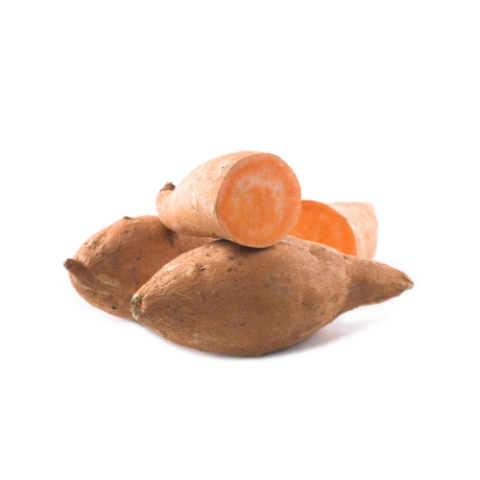
SWEET POTATOES
The nutrient-rich sweet potato is probably why the inhabitants of Okinawa, Japan, live to be so old. The antioxidant glutathione protects our immune system, beta-carotene our eyes, and the low glycemic index helps blood sugar levels and insulin levels. How it's eaten: As a soup, puree, or a healthy oven-baked fries alternative.
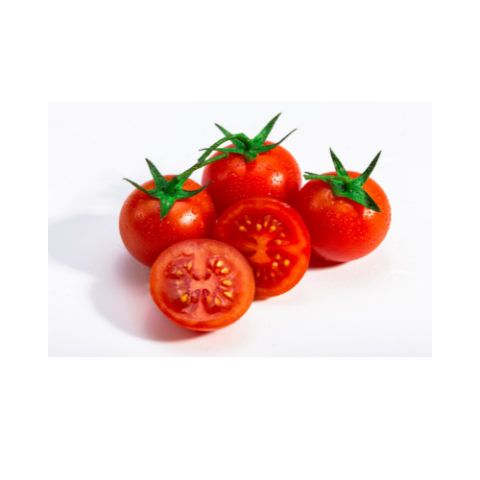
TOMATOES
Rich in the carotenoid lycopene. As an antioxidant, it can render reactive, harmful molecules harmless in the body. That's how they're eaten: Lycopene content increases when tomatoes are cooked - cheers to tomato sauce.
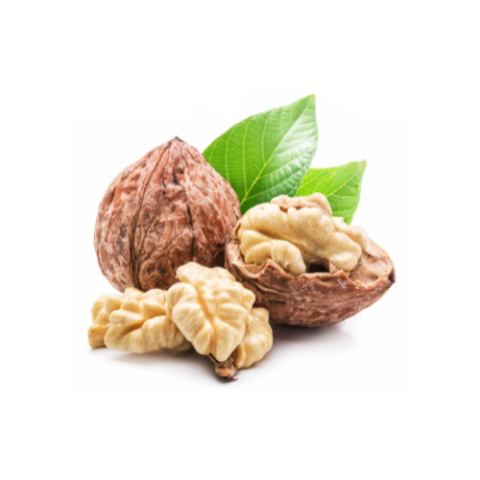
WALNUTS
The superfood king elevates blood pressure, lowers it, and keeps blood vessels flexible. According to some studies, it also improves our memory. How to consume it: In salads, muesli, and simply to ward off cravings at work. A daily intake of 30 grams of nuts is an excellent defense against heart attacks, diabetes, and strokes.
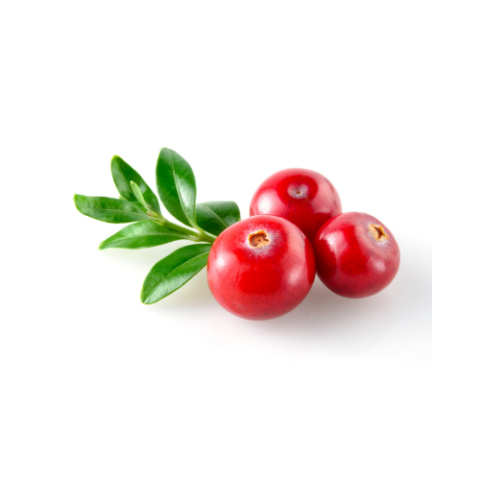
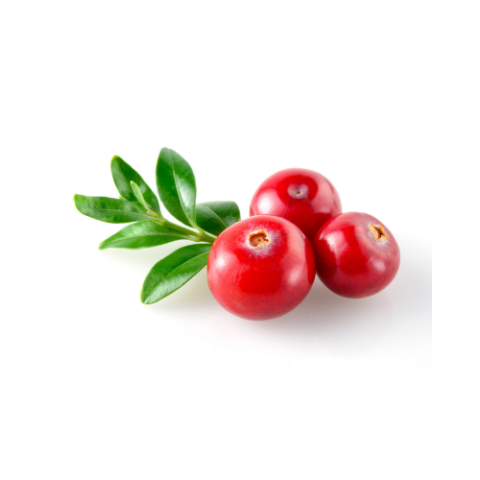
cranberries
Are a natural protector against urinary tract infections and cell damage with their anti-inflammatory properties. Their vitamin C strengthens the immune system. Also in them: vitamins B1, B2, B3 and fiber. How they are eaten: Dried or fresh in muesli or as a sweet and sour addition to salads, salad dressings or dips. Not to be missed as a sweet and sour compote with game dishes
FOODS TO AVOID
As a general rule, stay away from processed foods. Many frozen or prepackaged meals and snacks are processed foods. They offer little nutritional value and tend to be high in calories, salt, fat, and sugar. In particular, processed foods often contain high amounts of trans fats, which can reduce testosterone levels and impair testicular function, according to the results of a 2017 study
Protein and energy bars
According to the advertising of the manufacturers, an excellent supplement to a healthy diet. Unfortunately, however, these bars contain in the vast majority of cases nothing Natural more. They consist predominantly of industrially processed soy or milk proteins, refined sugars, sweeteners, hydrogenated fats, artificial flavors and other chemical additives. All of these promote the development of chronic diseases.
READY MEALS
Many consumers frequently reach for prepared meals because of their quick and simple preparation. However, the ostensible shortcut is detrimental in the long run. Prepared foods typically include a large number of poorly sourced, highly processed ingredients that the body has a difficult time metabolizing. Undisclosed flavor enhancers and preservatives are frequently hidden under terms like "flavor" or even "natural flavor." Additionally, you should avoid ingredient lists with a lot of E-numbers. Most convenience foods should be avoided due to trans fats, high sugar and salt content, and low nutrient and vitamin content.
CHEWING GUM
Chewing gum today is made of plastic and also contains chemically produced sweeteners such as aspartame, which is harmful to our nervous system and metabolism. Other additives, such as butylated hydroxyanisole (BHA), are also often found in chewing gum and have a negative effect on our health!
WHITE FLOUR & WHITE RICE
White flour products are totally devoid of vitamins and minerals. They supply the body with nothing but "empty calories," which fill the stomach. White rice again, these are isolated, nearly pure carbohydrates, similar to white flour
chewing gum
Today's gum is made of plastic and sweeteners like aspartame, which is bad for our nervous system and metabolism, are chemically produced. Chewing gum frequently contains additional additives, like butylated hydroxyanisole (BHA), which are harmful to our health.
Sausage and meat products with nitrites
Cold cuts, sausages, hot dogs, bacon and many other meats and sausages that you get in the supermarket very often contain large amounts of sodium nitrate (salts) and other chemical preservatives. Coloring agents are also often used.
soft drinks
Soft drinks typically contain glucose-fructose syrup, artificial sweeteners, and/or sugar substitutes. They may also contain artificial flavors and stimulant caffeine, depending on the type.
pocorn
This fast - food product is almost always made from genetically modified corn. Full of sugar and/or salt.
CONQUER BAD HABITS
SMOKING
Over 16 million Americans are affected by a disease brought on by smoking. At least 30 people suffer from a serious smoking-related illness for every smoker who passes away. In addition to emphysema and chronic bronchitis, smoking also increases the risk of developing cancer, heart disease, stroke, lung conditions, diabetes, and chronic obstructive pulmonary disease (COPD). Smoking also raises the risk of developing tuberculosis, some eye conditions, and immune system issues, such as rheumatoid arthritis. I'm not referring to lighting up a cigar once in a while with a friend.
ALCOHOL
High blood pressure, heart disease, stroke, liver disease, and digestive issues can all be brought on by excessive alcohol use. Cancer of the rectum, liver, colon, mouth, throat, esophagus, and breast. Immune system deterioration increases the likelihood of getting sick. issues with memory and learning, including dementia, and poor academic performance. A beer with your coworkers at a summertime cookout, a glass of wine with a nice meal every now and then, or a glass of champagne if you have an occasion to celebrate are all acceptable drinking options.
Food is King, but Exercise is Queen
For true health and vitality, you need both. A balanced diet fuels your body, but exercise keeps it strong and resilient. Together, they form the perfect team for a vibrant, healthy life.
Click the button below to explore our exercise page and start moving toward your best self!
This website uses cookies. Here you can choose which cookies you want to allow and change your selection at any time. By clicking "Accept", you agree to the use of cookies.
Your body is a machine. What you put in it, determines how you perform.
As a men you need to be able to cook. You are the hunter, but you should also be able to cook some basic healthy meals, either for yourself or your family.
COOKING IS AN ACT OF LOVE! Cooking is passion, it’s about discovering new cultures scents and tastes. There is nothing more joyful then a table full of tasty dishes with cherished people around it. I’m not talking about Industrialized food, I mean proper, homemade, preferably organic foods. Foods which have not been treated with industrial fertilizer or genetically modified food. I’m talking about local food your grandmother would recognize as food. Meat should be something special, not something you eat every day. A carrot should look like a carrot and you can identify it as one. Believe me, cooking healthy and tasty is easy. All you need are some base products and courage to try out new things. I’m not very fond of recipe’s I like the free style approach with time you will which ingredients go well together.Your body is a machine. What you put in it, determines how you perform.